Unraveling Wine Myths with Online Guides for 2025
December 8, 2025
Opening the Digital Cellar Door
Why 2025 is the tipping point for order alcohol online culture
The American drinker is more digital than ever, and 2025 finally crowns that shift. A decade of convenience has taught consumers to prefer order alcohol online experiences over crowded liquor aisles. Spirited apps now merge curbside pickup, live chat, and frictionless checkout. Analysts predict a thirty-percent surge in virtual wine purchases, powered by AI curation and same-day delivery. Dive deeper into these forecasts in our Future of online alcohol shopping insights article.
Consumers no longer judge a bottle only by glass or grape. They crave transparent blockchain provenance, mobile reviews, and personalized loyalty perks. The modern online liquor store therefore invests in robust data, not marble flooring. Order Alcohol Online tracks heat maps, search patterns, and seasonal cravings. It spotlights curated red wine, white wine, and craft tequila exactly when you crave them. Because of these behavioral insights, your favorite Long Island wine store feels as close as your thumbprint. Together, they showcase 2025 wine trends that blur retail and personal sommelier boundaries.
Virtual vineyard tours and augmented reality wine labels redefining terroir
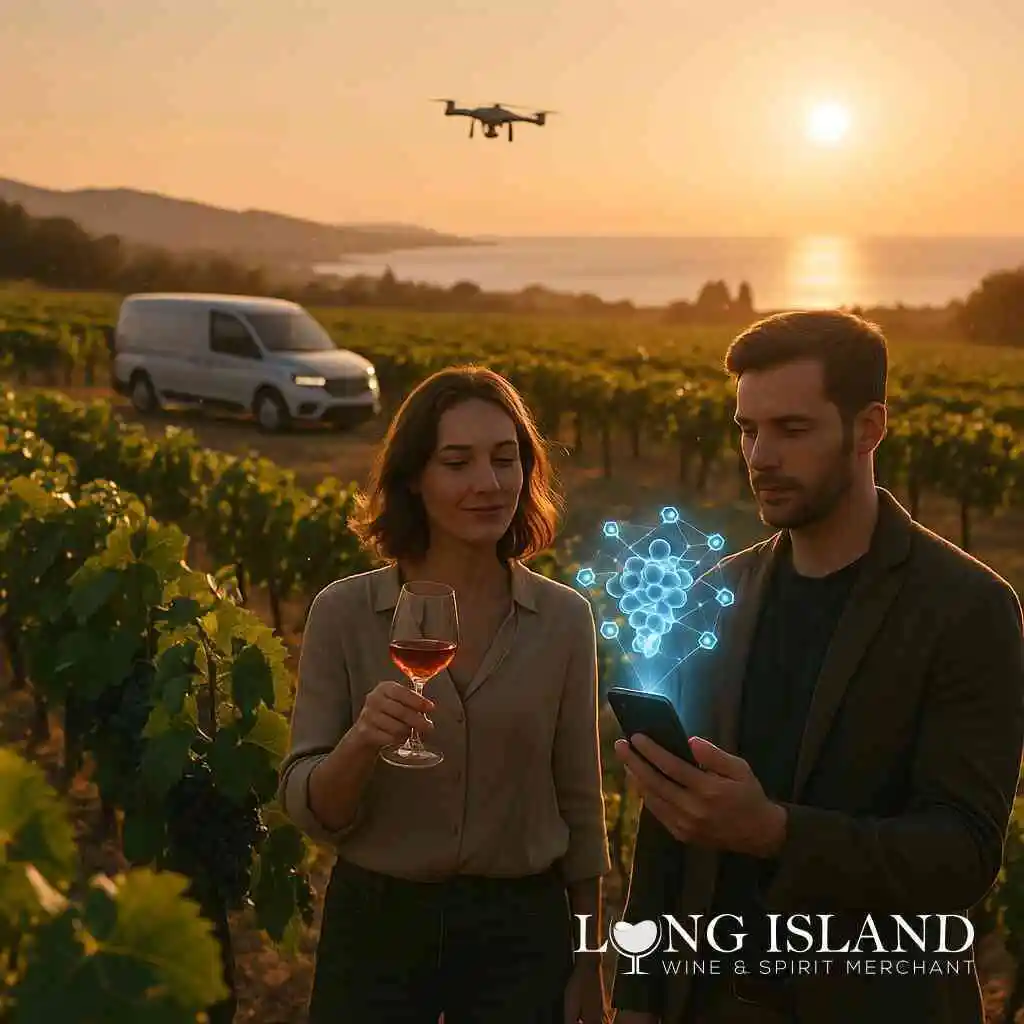
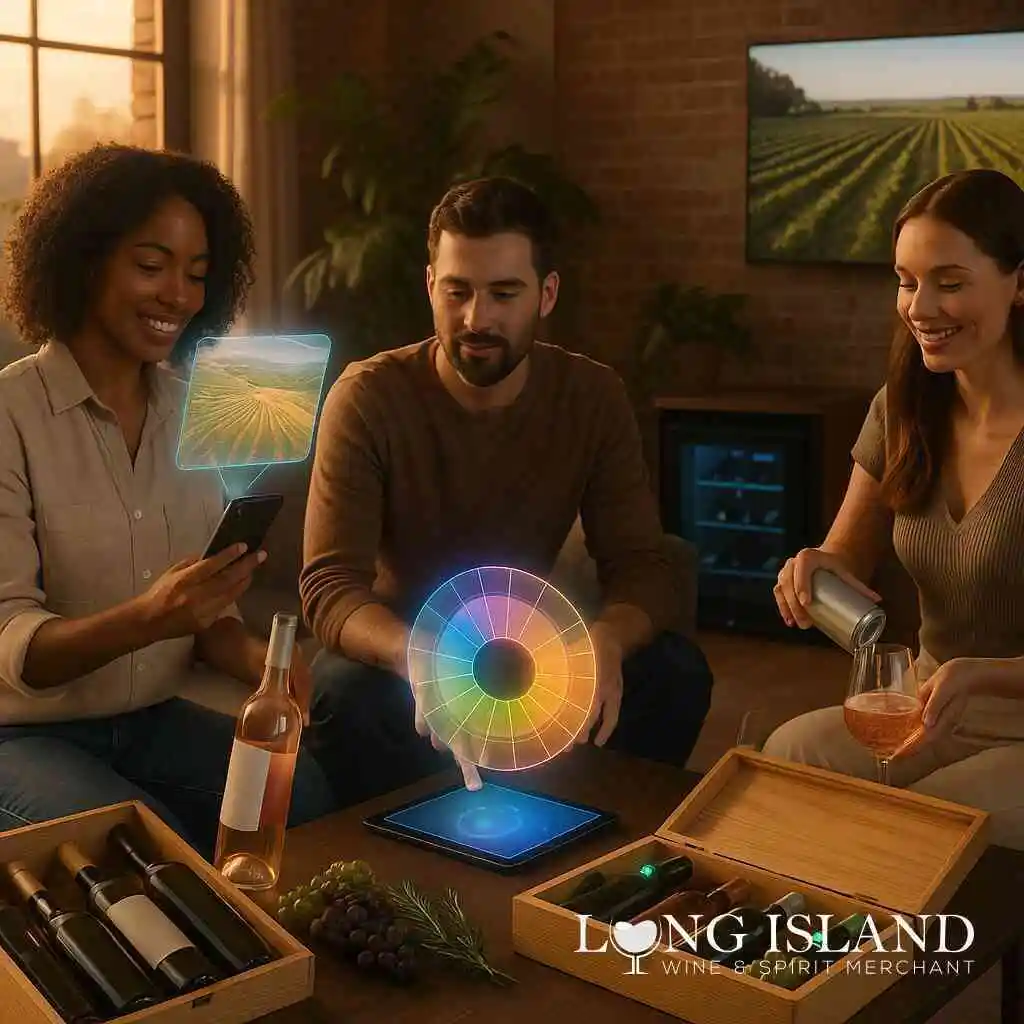
Virtual vineyard tours now stream in 4K, letting you hover above limestone slopes in Burgundy or sandy Long Island loam. Swipe once, and augmented-reality labels overlay soil maps, harvest notes, and winemaker stories onto your living-room walls. This immersive terroir storytelling replaces old tasting-room mystique with transparent, data-rich exploration. Open the Long Island Wine & Spirit Merchant online cellar gateway to explore curated AR-enhanced bottles. The moment you click, cork tannins, coastal breezes, and vintage history unfold in seconds.
Geolocation tagging now enables vineyard managers to update climate data in real-time, displaying microclimate shifts to every customer. Remote drone footage captures canopy growth, disease pressure, and harvest timing without requiring anyone to leave the vineyard rows. That transparency builds consumer trust, a cornerstone of E-E-A-T standards. Online liquor store guests can compare rainfall charts when choosing between rosé wine or cabernet sauvignon. Suddenly, modern terroir exploration feels tangible, turning every smartphone into a pocket sommelier.
Interactive wine taste quiz as your AI wine pairing concierge
Too many bottles on screen can overwhelm even seasoned collectors. That is why our interactive wine taste quiz functions like an AI wine pairing concierge. By asking about spice tolerance, fruit preferences, and weekend menus, it maps your palate in under two minutes. Use the Interactive wine flavor quiz for smart AI pairings and watch recommendations refresh instantly. Those suggestions balance acid, tannin, and texture with your Spotify history as confidently as a veteran sommelier.
Behind the scenes, machine learning compares your answers with thousands of flavor matrices, building a predictive palate profile. That profile then guides you toward bold zinfandel, citrus-driven soju, or even herbaceous bitters, depending on mood. Traditional hand selling can never scale so precisely across time zones and personal schedules. Because the quiz updates with every purchase, your recommendations evolve alongside shifting seasons and culinary adventures. In short, AI wine pairing brings Michelin-level attention to your couch-friendly wine delivery ritual.
Direct-to-consumer wine delivery and smart cellar management trends
Once the order button is clicked, logistics become the unsung hero of a flawless drinking experience. Cold-chain vans, GPS routing, and signature-verification apps now dovetail to reduce cork taint and porch pirates. Our Long Island hub coordinates national carriers and local couriers for reliable, compliant alcohol delivery near you. Discover how we exceed legal and sensory benchmarks in the Guide to elevating wine delivery standards post. With predictive ETAs, you know exactly when to chill that sparkling wine or decant your cabernet.
Once the bottle arrives, smart cellar apps track humidity, vibration, and long-term value for every SKU. Bluetooth cork sensors now ping your phone if a prized bourbon sits upright too long. Voice assistants can even reorder replacement mezcal when remaining ounces dip below custom thresholds. These integrated tools turn liquor bottle size data into actionable aging strategies, preventing stale spirits and wasted dollars. Consequently, direct-to-consumer wine delivery matures from a convenience play into a fully fledged smart investment ecosystem.
Myth Busting in the Meta Vineyard
Canned wine quality myth versus climate change convenience
Many shoppers still dismiss canned wine as a novelty, assuming metallic flavors and flat aromas hamper serious enjoyment. Sensory panels disagree, scoring premium cans equal to bottle benchmarks during blind tastings. Aluminum’s light weight slashes freight emissions, supporting climate-smart drinking without sacrificing bouquet. Because cans chill faster, picnic planners can enjoy optimal temperature control even during August heatwaves. The format also prevents light strike, preserving delicate rosé wine freshness from warehouse to beach blanket.
Consumers worry that canned wine lacks aging potential, yet most everyday whites and fruity reds peak within twelve months anyway. Winemakers now fine-tune carbonation, pressure, and dissolved oxygen to extend shelf life beyond that window. Mobile nitrogen dosing lines arrive at vineyards, sealing freshness minutes after harvest crushing. This eliminates third-party trucking and reduces oxidation risk, proving that convenience can coexist with craft. In short, climate resilience and quality have finally aligned inside the modern can.
Natural wine skepticism and the low intervention movement explained
Natural wine evokes passion and confusion, especially when cloudy pours and funky aromas surprise traditional palates. Skeptics claim low intervention equates to lax hygiene, yet microbiological studies show spontaneous fermentations can remain impeccably clean. Veteran growers track wild yeast strains in lab notebooks as carefully as commercial cultures. Transparent lab reports, QR codes, and certification seals now calm consumer nerves about safety. Shoppers ready to explore can Shop organic and low-intervention wines online to taste the difference without leaving their couch.
Flavor variance also fuels uncertainty, but that unpredictability mirrors vintage nuance prized in fine Burgundy. Instead of sulfur shortcuts, producers rely on temperature control, inert gas, and swift bottling to stabilize juice. Unfiltered textures amplify terroir, letting coastal salinity or volcanic minerality shine. Order wine online from a trusted online liquor store, and you receive lab-tested reports confirming sound chemistry. Thus, natural does not mean negligent; it means intentionally minimalist.
Wine sulfite misconceptions debunked with blockchain provenance data
The myth that sulfites alone cause headaches persists despite decades of scientific rebuttal. Histamine levels, dehydration, and sugar often play larger roles in post-tasting discomfort. Blockchain tracking now lists exact sulfite parts-per-million for every order alcohol online purchase, replacing guesswork with verified data. Shoppers compare low, medium, and classic doses before clicking “add to cart,” tailoring selections to personal tolerance. That transparency dismantles fear while maintaining microbial stability.
Winemakers also differentiate between free and bound sulfur, a nuance rarely discussed on back labels. Smart bottling sensors upload these numbers to immutable ledgers, reinforcing trust. A dry riesling may sport lower sulfur than a sweet Muscat because sugar demands extra protection. Armed with facts, consumers learn that regulation allows far less sulfur in wine than in dried fruit. Knowledge, not rumors, guides healthier sipping.
Biodynamic and sustainable viticulture insights for modern terroir exploration
Biodynamic calendars once sounded mystical, referencing lunar cycles and cow-horn composts that puzzled pragmatic drinkers. Today, satellite imaging and soil microbiome sequencing validate many biodynamic observations, linking planetary rhythms to sap flow and root vigor. Wineries share these metrics through augmented labels, letting buyers observe ecosystem health before they order liquor online for weekend gatherings. Sustainability moves from marketing slogan to measurable practice.
Cover crops, solar irrigation pumps, and electric tractors further prove eco credentials without raising price tags. Direct-to-consumer platforms spotlight carbon footprints alongside tasting notes, rewarding growers who sequester more carbon than they emit. Consumers supporting sustainable viticulture insights 2025 gain tastier juice and a cleaner planet simultaneously. That synergy strengthens brand loyalty while meeting regulatory pressures head-on.
Fortified wine renaissance and the sweetness scale of sparkling wine
Port, sherry, and madeira left dusty shelves for decades, wrongly labeled “grandparent drinks.” Mixologists now revive them as cocktail backbones and food-pairing wonders. Climate change also favors these styles; higher alcohol withstands shipping heat better than delicate Pinot Noir. Buyers exploring dessert wine can simultaneously refine their palate for bubbles by studying dosage levels. For precise benchmarks, enthusiasts regularly explore modern sparkling wine sweetness range to match Brut Nature ceviche nights or Demi-Sec dessert courses.
Understanding the sweetness spectrum eliminates disappointment when a “dry” Prosecco tastes fruity. Labels list residual sugar in grams per liter, yet many consumers never notice. Digital sommeliers translate these figures into relatable taste descriptors such as “green apple crisp” or “honeyed brioche.” Fortified classics and sparkling newcomers, once at odds, now share a stage where sugar science dictates perfect harmony.
Indigenous grape varieties revival meeting Long Island wine expertise
Globalization once encouraged chardonnay monocultures, but climate volatility demands diverse genetic toolkits. Indigenous grapes like Greece’s Xinomavro or Italy’s Nerello Mascalese offer drought resistance and vivid flavor. Long Island wine expertise involves matching these varieties to maritime breezes and sandy loam, expanding the region’s identity beyond merlot. Local growers craft limited releases, then leverage order alcohol online reach to share bottles nationwide. Collectors appreciate tasting unfamiliar DNA without airfare.
Revival efforts also protect cultural heritage threatened by urban sprawl and mass plantings. DNA mapping confirms lineage, while micro-vinifications reveal potential for both still and sparkling expressions. Storytelling around these grapes enriches modern terroir exploration, adding depth to any custom alcohol case. Diverse vineyards strengthen resilience and consumer curiosity simultaneously.
Fine wine investment myths unraveled through digital sommelier tips
Many believe only Bordeaux First Growths or cult Napa cabernets deserve investment consideration. Market data now highlight undervalued regions like Tasmania or Finger Lakes boasting double-digit appreciation. Digital sommelier dashboards track auction prices, critic scores, and climate risk to inform smarter portfolios. They also recommend optimal liquor bottle sizes guide for smart cellars, ensuring 375-milliliter splits or magnums suit aging goals.
Another myth claims collectible wine requires decades in an underground cave. Smart cellar sensors and backed-up cloud logs replicate professional storage conditions anywhere. Investors ordering liquor delivery near you can activate humidity alerts and resale valuations with one swipe. Technology levels the playing field, letting newcomers diversify assets while enjoying periodic tasting dividends. Passion and profit need not be mutually exclusive.
From Myth to Sip Future Facing Bottle Notes
Remote wine education and online liquor store innovation for every palate
Digital classrooms now stream from Commack cellars to couches in Kansas, proving wine literacy travels faster than freight trucks. Order Alcohol Online hosts live tastings where sommeliers decode red wine tannins with animated charts and real-time polls. Viewers vote for white wine pairings, and the platform instantly displays inventory, marrying education with the convenience of instant online wine ordering. These sessions democratize terroir talk, replacing exclusive masterclasses with inclusive, on-demand modules. The result is a sharper, more adventurous consumer who trusts an online liquor store as much as a bricks-and-mortar boutique.
Innovation also shows in adaptive quizzes that adjust difficulty with every answer, keeping veterans engaged while guiding beginners gently. Machine learning pulls palate data from each interaction, refining recommendations for rosé wine or bourbon without bias. Gamified badges reward sustainable viticulture insights 2025, nudging learners toward planet-friendly bottles. Because lessons integrate checkout links, students convert classroom curiosity into confident purchases within minutes. Remote education thus evolves from passive viewing to an active tasting journey.
Alcohol bottle engraving gifts and custom alcohol cases that tell a story
Gifting evolves when a laser etches anniversaries onto glass and algorithms curate supporting bottles that echo shared memories. Shoppers select shapes, fonts, and even GPS coordinates before adding items to the cart. A single interface then suggests complementary custom alcohol cases filled with sparkling wine, gin, and small-batch tequila. That seamless path from idea to doorstep feels magically effortless. Explore these options through our Custom bottle engraving gifts ordered online showcase and discover how sentiment meets craftsmanship.
Beyond aesthetics, engraved bottles serve as archival keepsakes that endure after the corks are pulled. Collectors track each motif in smart cellar apps, assigning emotional value alongside resale projections. Corporate clients engrave mission statements to thank partners, reinforcing brand narratives with every toast. Wedding planners pre-order rosé magnums etched with hashtag logos, ensuring social media synergy. Storytelling engravings turn everyday alcohol delivery into a multisensory memory bank.
Rosé all year and other 2025 wine trends in the Long Island Wine Room
Once a seasonal darling, rosé now thrives through January snowstorms, thanks to changing palates and climate-adjusted viticulture. Long Island vineyards harvest earlier, locking bright acidity that withstands cozy fireside foods. Order alcohol online algorithms flag these winter-ready rosés, recommending pairings like smoked salmon or spicy ramen. Consumers embrace the versatility, proving pink does not pause after Labor Day. Retail data shows that rosé wine growth is outpacing several white wine categories, even in colder quarters.
Additional 2025 wine trends include lower-alcohol Cabernet Franc and skin-contact Riesling, which push flavor boundaries. Sustainability drives packaging, encouraging convenient box and canned style wine options for outdoor skating parties. Sparkling wine sees micro-lot fermentations targeting brunch crowds craving zesty mimosas without excessive residual sugar. Long Island’s maritime climate supports these innovations, validated by local winemakers sharing salinity metrics online. Continuous experimentation keeps the region’s wine room globally relevant.
Savoring the journey from order wine online click to blockchain backed cork pop
Every bottle now carries a digital passport recording vineyard GPS, fermentation curves, and shipping temperatures. When you order liquor online, that blockchain ledger updates, ensuring chain-of-custody integrity from tank to table. A quick QR scan at delivery displays sulfite levels, vintage notes, and dispatch timestamps, instantly debunking lingering wine myths. Consumers feel empowered, not intimidated, because transparency replaces uncertainty with actionable data. Trust deepens, driving loyalty toward platforms prioritizing open ledgers.
Logistics complete the narrative with predictive ETAs, chilled vans, and tamper-proof seals that match ledger entries. Upon arrival, smart cork sensors confirm humidity stayed optimal, flashing green in your cellar app. Pop the cork, and augmented reality projects harvest footage on your wall, letting aromas mingle with visuals. This holistic experience transforms alcohol delivery near you into a modern ritual celebrating craftsmanship and technology. From click to clink, the future of sipping is securely documented and sensorially rich.
Frequently Asked Questions
Question: How does the interactive Wine Taste Quiz on Order Alcohol Online use AI wine pairing to bust personal wine myths and match me with the right bottle?
Answer: Our Wine Taste Quiz acts like a pocket digital sommelier. In less than two minutes, it measures spice tolerance, fruit preference, and food habits, then cross-checks that data against thousands of flavor matrices. The AI recommends red wine, white wine, rosé wine, or even craft tequila based on your unique palate rather than outdated stereotypes such as “all beginners love sweet wine.” Because the algorithm updates every time you order alcohol online, it continually learns and refines its suggestions, making it perfect for anyone eager to explore 2025 wine trends without wasting a drop.
Question: In “Unraveling Wine Myths with Online Guides for 2025,” you mention blockchain wine provenance. How does your online liquor store guarantee authenticity and shipping integrity when I order wine online?
Answer: Every qualifying bottle we ship is tagged with a blockchain-secured QR code. Scan it, and you’ll find vineyard GPS, fermentation curves, sulfite levels, and temperature logs from our Commack warehouse to your doorstep. Pair that transparency with our cold-chain wine delivery fleet, signature verification, and tamper-proof seals, and you receive bulletproof proof of origin, with no counterfeits, no cork abuse, and a verified liquid history.
Question: Can canned wine from your Long Island online liquor store really match bottled quality, and what sustainable viticulture insights for 2025 should I know about this format?
Answer: Absolutely. Independent sensory panels rate premium canned wines on par with bottled counterparts, and aluminum protects delicate flavors from light strike while chilling 40 % faster-ideal for impromptu picnics. Lightweight cans cut freight emissions, aligning with Sustainable Viticulture Insights 2025. We list dissolved-oxygen data and canning dates online so you can buy with confidence and a smaller carbon footprint.
Question: I’m curious about natural and low-intervention wines-how does Order Alcohol Online ensure safety and clarity for skeptics while honoring the movement’s spirit?
Answer: Each natural wine we stock comes with lab-verified chemistry reports uploaded to its product page. You can review wild-yeast strain counts, volatile acidity, and sulfur parts-per-million before adding to the cart. Our virtual vineyard tours and augmented reality wine labels offer a modern exploration of terroir, allowing you to experience authenticity without the guesswork, straight from your couch.
Question: What innovative cellar management tools and custom alcohol cases do you offer for fine-wine investment newcomers who want to order alcohol online?
Answer: Choose one of our custom alcohol cases and we’ll pre-install NFC bottle tags that sync with leading cellar apps. These tags track humidity, vibration, and real-time auction values. Need varied liquor bottle sizes? We assemble splits, 750 mLs, and magnums tailored to your aging goals. The moment levels dip, voice assistants can auto-reorder from our online liquor store, ensuring your investment in your weekend is always secure.


