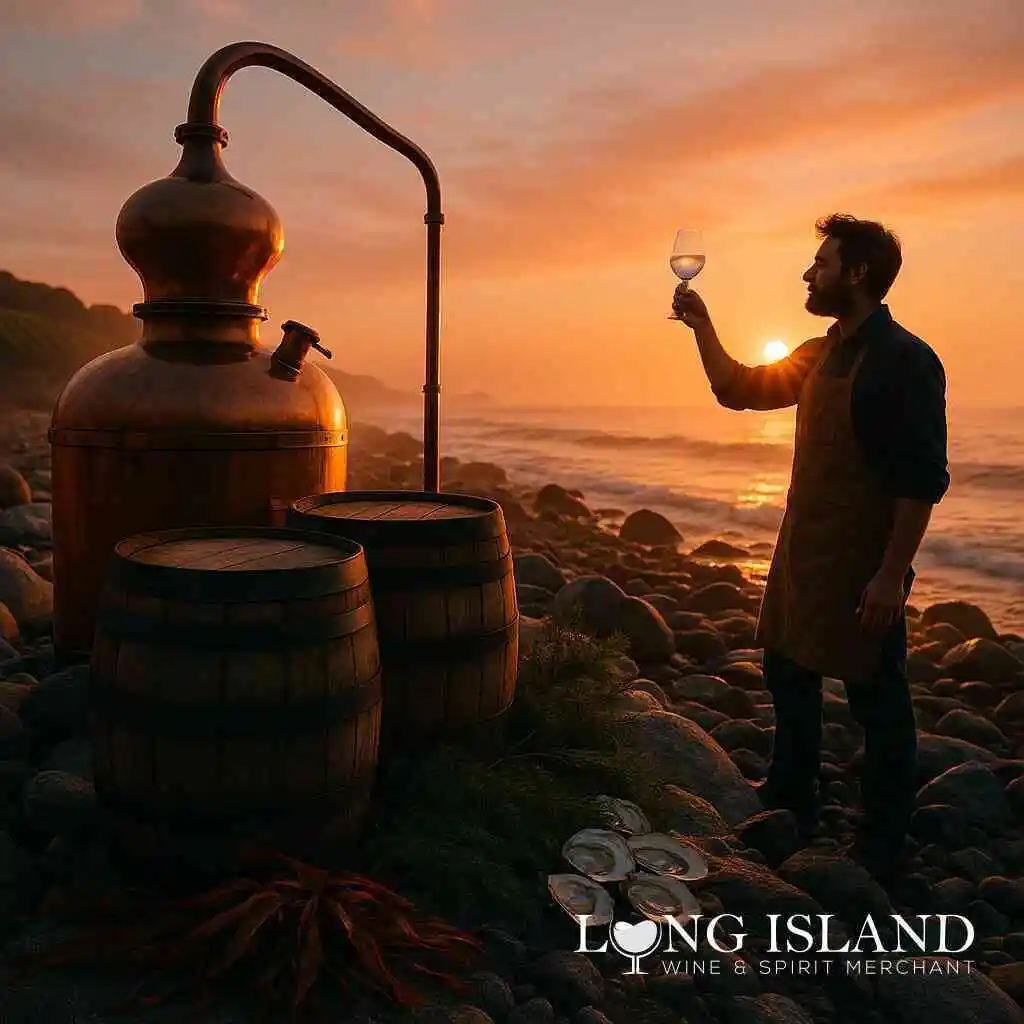
What Are the Top 5 Gin Innovations for Long Island 2025
December 11, 2025
Prelude to a Juniper Renaissance
Long Island craft gin revolution in the online liquor store age
The island’s distilling scene has shifted from hidden farm sheds to headline-making copper stills, and the change feels electric. Digital shelves now showcase hyper-local releases alongside global icons, making every smartphone a Long Island gin shopping hub. Mid-week cravings no longer require a car ride because one tap summons alcohol delivery near you with seamless speed, letting residents explore new gin styles without leaving the couch. As consumer curiosity grows, distillers answer with small-batch experiments: sea-sprayed botanicals, wine-cask finishes, and vacuum-distilled citrus bursts. Consequently, the online liquor store has become both marketplace and classroom, teaching shoppers how oak toast level or kelp infusion rewrites the familiar juniper narrative.
Long Island’s appetite for discovery also drives a blossoming collaboration culture. Local beekeepers, oyster farmers, and herb gardeners now partner with distilleries, ensuring every limited release tastes like a postcard from the coast. Social media tastings highlight these partnerships, letting drinkers compare gin terroirs the way sommeliers compare vineyard blocks. Because Order Alcohol Online ships to all fifty states, tourists can relive vacation flavors even after returning home. Strong transition words make storytelling dynamic, but the real star remains access: the ability to order liquor online the moment inspiration strikes. This synergy between craft producers and online sales platforms fuels a virtuous cycle of experimentation, feedback, and rapid iteration.
Why gin innovation matters for home tasting flights and cocktail culture
Modern drinkers crave experiences that feel both educational and share-worthy, and innovative gin answers that call. When a bottle’s botanical bill includes oyster shell or rosé-seasoned oak, every pour becomes a conversation starter, anchoring home tasting flights with savory intrigue. Moreover, bartenders love gin’s blank canvas; each new flavor unlocks fresh cocktail riffs, keeping menus vibrant and TikTok feeds buzzing. At home, simple G&T kits now include dehydrated hibiscus, smoked sea salt, and micro-dosed bitters so hobbyists can replicate bar-quality creations. Therefore, gin innovation sustains cocktail culture by offering endless avenues for personalization.
Importantly, nuanced gin also bridges generations. Classic martini loyalists appreciate the category’s dry backbone, while younger enthusiasts experiment with low-ABV spritzes that highlight botanical nuance rather than proof. Families hosting celebrations can serve one base spirit multiple ways-negroni, French 75, or alcohol-free juniper tonic-without stocking a cluttered bar. Additionally, virtual tastings via online alcohol marketplace resource platforms foster community, giving novices direct access to distillers who explain why pink peppercorn pops or why kelp delivers umami depth. As a result, curiosity converts into confidence, and confident consumers keep returning to the online liquor store for the next limited release.
How to order gin online Long Island for the ultimate gin terroir exploration
Ordering gin through Order Alcohol Online feels intuitive, yet a few pro tips elevate the journey. First, take the personalized palate quiz for gin lovers to pinpoint whether your taste buds lean toward citrus zest, herb garden freshness, or barrel-kissed vanilla. Next, browse curated collections that segment bottles by innovation category-barrel-aged, wine-cask finished, or cold-distilled-so you can build your custom tasting case without decision fatigue. Finally, leverage same-day spirit delivery near Long Island on rush occasions, or opt for nationwide shipping when gifting friends across the country.
Cocktail explorers should also explore engraving and gift-box options. An engraved gin bottle transforms a limited release into a keepsake, while a premium gin gift box on Long Island adds finishing touches like artisanal tonic and garnish sachets. Pair these services with comprehensive tasting notes that suggest food matches-think oyster platters for maritime gin or dark-chocolate truffles for barrel-aged expressions. Remember to check site filters for bottle size references so you can compare 375 ml trial bottles with full 750 ml statements. By combining technological convenience with artisanal passion, Long Island’s online ordering ecosystem turns every checkout click into a journey through gin’s flavorful frontier.
1 Barrel aged coastal gin maturity
From bourbon barrels to rye casks the new gin barrel maturation techniques
Long Island distillers now treat juniper spirit like fine wine, selecting casks with surgical precision. Seasoned bourbon barrels lend toasted coconut while rye wood pushes peppery lift. Because the ocean breeze seeps through warehouse walls, evaporation accelerates and concentrates flavor quickly. Producers rotate barrels between floor levels, chasing ideal humidity pockets for balanced maturation. Consequently, the barrel-aged gin trend feels tailored to coastal terroir rather than copied from whiskey playbooks.
Innovators also experiment with split-cask programs, resting half the batch in heavily charred American oak and the other half in light French oak. After a few seasons, they marry both components for a layered profile of smoke, spice, and floral hush. This dual-aging approach mirrors solera methods yet maintains gin’s botanical clarity. Consumers gain a spirit that bridges classic dry styles and bold dark spirits. The result invites sipping neat, not just hiding behind tonic.
Flavor map toast levels vanilla waves and caramel undertones
Barrel influence begins with toast level, and local producers chart it like cartographers. Light toast preserves bright citrus while medium toast summons vanilla waves that flow over juniper. Heavy toast ignites caramel undertones, adding dessert-like depth without overt sweetness. Distillers overlay these flavor zones on sensory maps, guiding bartenders toward complementary mixers. Consequently, every batch release arrives with a miniature atlas of taste.
Because wood breathes, sea salt aerosols infiltrate staves, layering delicate salinity onto the finish. Tasters notice a faint briny snap that highlights gin’s botanicals rather than overpowering them. This maritime accent sets Long Island expressions apart from inland counterparts. Enthusiasts, therefore, can blind taste and pinpoint coastal origin with impressive accuracy. Education transforms into entertainment when flavor maps spark spirited debates at tasting flights.
Pairing suggestions with red wine reductions and low abv gin spritz
Barrel-matured gin loves culinary company, especially dishes featuring gentle sweetness and subtle acidity. Chefs reduce red wine with shallots, creating a silky glaze that echoes oak-driven vanilla in the spirit. Meanwhile, roasted beets deliver earthy counterpoints that let caramel tones shine. For lighter moments, mixologists craft low-ABV spritzes, blending barrel gin, sparkling water, and grapefruit cordial for daytime sipping. The wood’s softness cushions citrus, making the drink approachable for newcomers.
Home entertainers can replicate upscale pairings without complex tools. Simply drizzle balsamic-red wine reduction over grilled figs, then serve one-ounce pours of coastal gin on the side. The interplay between smoky fruit and oaky spirit sparks conversation instantly. Additionally, tonic water infused with rosemary brings herbaceous lift while moderating alcohol content. Such balanced service demonstrates how barrel aging broadens gin’s mealtime versatility.
Gin gift box delivery with engraved gin bottles for the barrel lover
Gifting becomes effortless when the online liquor store curates oak-focused bundles. Order Alcohol Online offers door-to-door service that secures fragile bottles in foam cradles before dispatch. Shoppers may add an engraved gin bottle gifts option, transforming limited releases into heirlooms. Recipients feel the distillery’s story the moment they read personalized etching across amber glass. Such presentation elevates the tasting ritual beyond mere consumption.
To complete the experience, customers can upgrade to a premium gin gift box on Long Island loaded with cedar shavings, botanical sachets, and pairing cards. Subscription members even receive quarterly barrel samples, allowing vertical tasting of evolving batches. Those curating larger celebrations may also build your custom tasting case that mingles multiple toast levels. Every package ships with humidor-grade humidity packs to protect cork integrity. Thus, Long Island’s barrel-aged coastal gins arrive ready to impress, no cellar required.
2 Wine cask finished crossover gin
Sauvignon Blanc to Amarone the wine room meets the still room
Long Island distillers now roll their copper trolleys straight into the barrel hall, letting Sauvignon Blanc staves kiss juniper vapor. The result is a wine-cask finished gin that bridges herbaceous zest and botanical bloom with seamless grace. Because white wine barrels rarely overpower, grapefruit, lemongrass, and green pepper notes stay crystalline, amplifying gin’s core clarity. Red wine casks, by contrast, add plush berry depth, creating a crossover spirit that handles vermouth-free martinis with ease. Early adopters read about these developments through emerging Long Island gin trends and rush to reserve bottles before they vanish.
Winemakers also rejoice, since retired barrels gain a glamorous second life rather than languishing in storage. Toast level matters here; light toast keeps tropical fruit bright, while medium toast introduces vanilla threads without muting juniper. Distillers therefore catalog each barrel’s provenance like sommeliers chart vineyards, ensuring traceability and trust. This meticulous approach showcases E-E-A-T values-experience in coopering, expertise in blending, authoritativeness in labeling, and trustworthiness through transparency. Consumers now recognize that a single sip can reveal both field and still, turning wine-gin hybrids into conversational centerpieces.
Tasting notes strawberry rosé whispers and malbec tannic grip
The first swirl often reveals faint strawberry rosé whispers, a nod to barrels that once cradled Provence blush. Juniper remains present, yet softened, inviting newcomers who normally shy away from piney punch. On the palate, rose-petal fragrance mingles with white pepper, yielding a graceful mid-weight texture ideal for brunch cocktails. Finish lengthens with minerality, proving wine influence can offer backbone without sugar rush. Such nuance compels enthusiasts to compare top five online gin varieties for layered complexity in blind tastings.
Switch to malbec or Amarone barrels and everything shifts toward dark fruit gravitas. Blackberry skin appears first, followed by cocoa nib and faint cigar box from seasoned oak. Gentle tannic grip frames the spirit, giving structure that rivals light whiskey while remaining unmistakably gin. Bartenders exploit this heft for reverse negronis, replacing Campari with drier aperitivo to let barrel tannin shine. Consequently, Long Island bars update menus weekly, knowing each cask finish unlocks fresh creative potential.
Custom gin cases that showcase white wine and red wine barrel influence
Order Alcohol Online now curates mixed six-packs that spotlight Chardonnay-kissed gin beside Sangiovese-matured counterparts. Shoppers may tailor ABV, barrel type, and botanical profile, building a sensory syllabus rather than a generic sampler. Every shipment includes pairing cards suggesting cheese, charcuterie, and seasonal fruit, ensuring home hosts feel like professional sommeliers. Because limited releases sell quickly, subscribers enjoy priority access, protecting them from allocation anxiety. The service quietly reinforces Long Island’s status as a coastal innovation hub.
Educators leverage these cases for virtual masterclasses, inviting distillers and coopers to discuss stave grain, toast gradient, and oxygen exchange. Participants learn why French oak amplifies cinnamon while American oak boosts coconut, then taste the theory in real time. This academic approach outshines rote product pitches, nurturing informed, loyal customers. Additionally, curated bundles travel safely thanks to molded pulp inserts and humidity packs that guard cork integrity. Such thoughtful logistics provide practical proof of Order Alcohol Online’s commitment to quality.
Perfect for gin and tonic botanical kits with pink hibiscus fizz
Wine-cask finished gin transforms the classic G&T into a color-saturated spectacle. Mixologists swap standard tonic for hibiscus-infused soda, granting vibrant magenta hue that mirrors rosé barrel influence. Lime wheels become redundant as wine-derived acidity already brightens the glass, letting drinkers revel in streamlined elegance. Crushed juniper dust over the foam adds aromatic lift, completing a cocktail that feels both familiar and avant-garde. Home bartenders source these garnishes through online alcohol marketplace resource, pairing convenience with creativity.
Low-ABV variations flourish as well; simply stretch two ounces of barrel-gin with chilled sparkling water and a whisper of elderflower syrup. The drink offers sessionable refreshment while preserving intricate flavor layers, satisfying wellness-minded guests. Party planners elevate presentation by freezing edible flowers into ice cubes, echoing vineyard motifs already present in the spirit. Social feeds explode with photos, driving organic buzz that eclipses paid advertising. In this way, wine-cask finished crossover gin secures its spot at the forefront of Long Island’s cocktail evolution.
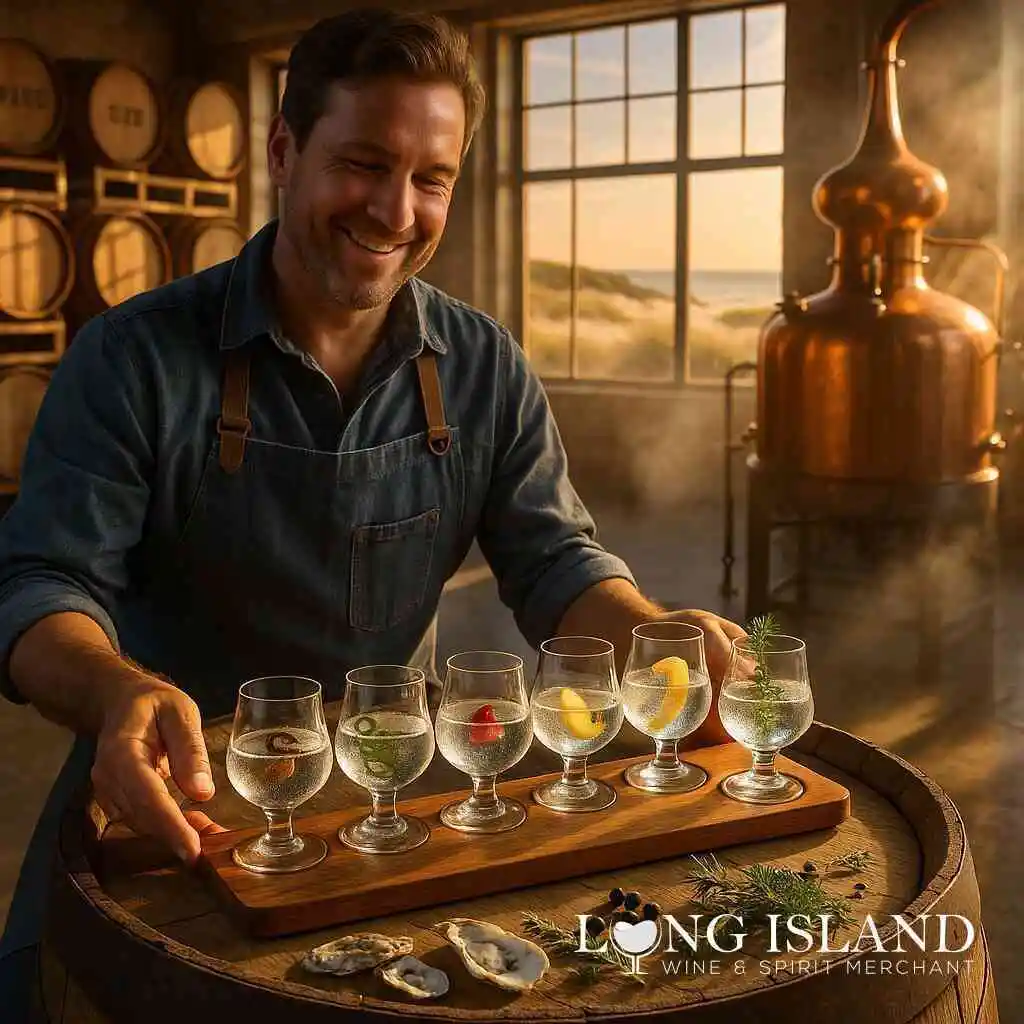
3 Sea kelp and oyster shell infused maritime gin
Harvesting Long Island juniper and Atlantic botanicals
Long Island foragers rise with the tide, clipping wild juniper that hugs sandy bluffs before the sun heats its oils. Divers gather ribbons of sea kelp, while oyster farmers collect emptied shells destined for spirit baskets rather than compost heaps. These hyper-local gin botanicals travel mere miles to the copper stills, preserving fragile aromatics that vanish during longer haul transport. Distillers rinse ingredients in brackish water to amplify native mineral traces, then layer them over vapor baskets for controlled extraction. The resulting wash already whispers of shoreline spray before alcohol even touches copper.
Farm partnerships strengthen community and soil health simultaneously. Juniper shrubs grow beside pollinator corridors, inviting bees that later sweeten barrel-aged gin with coastal honey. Kelp cultivation absorbs excess nitrogen, reducing algae bloom risk and proving terroir can be sustainable. Oyster shell recycling limits landfill waste and enhances calcium levels in nearby clam beds, completing a circular production model. When bottles reach the online liquor store, consumers taste not only juniper but also environmental stewardship. Order Alcohol Online features detailed origin maps so shoppers can track every maritime ingredient back to its bay.
Salinity minerality and umami the new gin flavor frontier
Sea kelp botanical gin introduces subtle salinity that brightens citrus rather than dominating it. Oyster shell infused gin contributes calcium-rich minerality, creating a mid-palate grip usually missing in clear spirits. Together they unlock an umami dimension previously reserved for sake, allowing bartenders to pair gin with savory dishes effortlessly. Tasters describe the finish as “crushed seashell,” a sensation that lingers like sea breeze on beach stones. Such nuance positions Long Island expressions ahead of inland counterparts chasing generic herb gardens.
Flavor chemists measure sodium ions alongside traditional ester counts, proving science now guides artistry. Low-temperature maceration maintains chlorophyll vibrancy, keeping kelp from sliding into swampy off-notes. In sensory labs, panels compare shell-aged batches against stainless-only controls, quantifying minerality with calibrated scales. Data supports what drinkers report: a lifted perception of sweetness even with zero added sugar. This breakthrough secures Long Island’s reputation for small-batch gin releases that challenge category definitions without abandoning balance.
Experimental gin recipes for oyster pairings and sustainable gin packaging
Chefs shuck briny Peconic oysters, then top each with a teaspoon of chilled maritime gin, replacing traditional mignonette. The alcohol unlocks hidden glycogen sweetness, while kelp-derived umami echoes the mollusk’s own depth. Another experimental gin recipe bathes littleneck clams in gin, lemongrass, and smoked dulse before hitting the grill; the shellfish absorb botanical vapor for layered complexity. Home cooks replicate these dishes using simple spray bottles that mist gin over raw bar platters, minimizing waste while maximizing aroma. This ease invites year-round culinary exploration, not just summer clambakes.
Packaging follows the same eco-logic. Distilleries bottle spirit in lightweight recycled glass with algae-based inks that degrade naturally in salt air. Refillable ceramic flasks, shaped like oyster shells, encourage return visits and cut single-use footprints. Compostable kelp fiber six-packs protect miniature tasting bottles during transit without plastic ring guilt. Order Alcohol Online spotlights these sustainable gin packaging innovations, letting shoppers filter by carbon score alongside ABV. Conscious consumption finally meets coastal flavor adventure.
Coastal distillery gin tours and online liquor store gin deals
Visitors board harbor skiffs for coastal distillery gin tours that smell of rope, seaweed, and fresh juniper. Guides explain how tidal charts dictate harvest windows and why moon phases influence kelp sugar content. Guests sip unfinished spirit straight from still condensers, comparing batches pulled before and after oyster shell infusion. The tour ends with a dockside cocktail class where bartenders garnish martinis with dehydrated sea bean spears. Every sensory cue anchors gin innovation to physical place, deepening brand loyalty.
Travelers can relive that maritime magic without luggage limitations thanks to same-day spirit delivery near Long Island, a perk offered through same-day spirit delivery near Long Island. Limited releases appear online seconds after bottling, and flash deals reward quick clicks with discounted bundles. The online liquor store rotates kelp-focused tasting kits monthly, bundling recipe cards and oyster vouchers from partnering farms. Newsletter subscribers receive early-access codes that secure scarce bottles before wider public release. In this way, digital convenience amplifies the shoreline experience rather than replacing it.
4 Cold vacuum distilled fresh botanical gin
Sub zero extraction for hyper bright citrus and garden herbs
Cold vacuum distillation drops pressure so low that alcohol boils well below room temperature, preserving delicate lemon zest oils. Juniper mingles with basil, mint, and cucumber while never facing heat shock, so flavors stay garden-fresh. Consequently, each sip feels like biting into chilled citrus under summer shade rather than swallowing dried peel. Distillers map extraction curves, timing cuts by aroma peaks, not arbitrary temperatures, which demonstrates deep scientific mastery. Because oxygen exposure stays minimal, oxidation never mutes the bouquet, letting Long Island craft gin revolution continue to surprise seasoned palates.
Producers harvest botanicals at dawn, flash-freeze them, then load still baskets within hours, avoiding wilt or nutrient loss. The frozen herbs fracture microscopically, releasing extra aromatic pockets when vacuum pulls vapor through. Tasters report sharper lime leaf, clearer coriander, and almost photorealistic garden notes that leap from the glass. Such vivacity elevates simple highballs; even soda water seems scented. Therefore, sub zero extraction redefines freshness benchmarks for gin worldwide.
Low energy production and small batch gin releases
Vacuum distillation consumes less heat energy because boiling occurs at lower temperatures, reducing fuel demand and carbon output. Sustainability-minded drinkers appreciate knowing their evening negroni left a lighter environmental footprint. Distilleries publish kilowatt savings alongside tasting notes, reinforcing E-E-A-T through transparent metrics. Lower thermal stress also extends equipment life, allowing producers to invest savings back into experimental herb plots. Thus, eco-efficiency and flavor innovation move forward together.
Small-batch gin releases pair perfectly with this technology, since leaner runs benefit most from precision controls. Tiny lots let distillers swap botanicals seasonally without expensive retooling, meaning spring gins flaunt pea tendrils while autumn batches showcase saffron fronds. Collectors chase these fleeting editions through the online liquor store, quickly adding them to custom alcohol cases. The scarcity feeds enthusiasm rather than frustration because fresh drops appear regularly. Consequently, ordering gin online Long Island becomes a year-round treasure hunt.
Best gin for martinis when clarity and precision matter
Classic martinis demand spirits that cut clean lines across the palate, and cold vacuum distilled gin does exactly that. Because heat never smudges terpene structures, juniper remains focused, allowing vermouth nuance to shine rather than fight. Bartenders notice glassier texture, almost like glacier meltwater, which gives silkier mouthfeel without glycerin. Olive brine or lemon twist accents stay discrete instead of blending muddily, so every component retains identity. Therefore, precision seekers rank these bottles among the best gin for martinis today.
The spirit’s brightness also lowers perceived alcohol burn, letting mixologists increase gin ratio without overwhelming guests. This shift supports low-ABV trends because the drink feels balanced at smaller volumes. Meanwhile, micro-filtered particulate removal prevents haze when the cocktail chills, keeping presentation pristine. Sommeliers cite this clarity as parallel to fine filtered vodka yet with botanical soul intact. Ultimately, cold distilled gin proves minimal processing can still deliver maximal elegance.
Home gin tasting flight featuring cold distilled versus classic
Side-by-side flights illuminate differences quickly: classic pot-still gin shows warm spice, while vacuum expression bursts with iced lemon verbena. Hosts arrange identical snacks-almonds, goat cheese, dark chocolate-to test pairing versatility across styles. Guests learn how temperature in distillation influences aroma carry and mouthfeel, turning the living room into a mini sensory lab. Such experiential education fosters deeper appreciation than reading labels alone. Additionally, comparing finishes sparks lively debate about tradition versus technology.
Order Alcohol Online simplifies curation by pairing vacuum bottles with heritage dry gin in one shipment and including a printable scorecard. Shoppers may refine the experience further by taking the personalized palate quiz for gin lovers before checkout, ensuring each flight aligns with individual taste thresholds. This interactive element transforms passive sipping into active exploration. Finally, recipe cards link to gin cocktail recipe inspiration archives, guiding next-level experimentation. Consequently, home tasting flights become launchpads for ongoing craft gin discovery.
5 Hyper local farm to glass terroir driven gin
New York farm cooperatives and sustainable juniper cultivation
Long Island farmers now pool resources through new juniper cooperatives that stretch from Riverhead to Queens. Each member pledges land for low-impact shrubs, rotating plantings to guard soil vitality. Drip irrigation replaces traditional sprays, saving thousands of gallons while nurturing deeper berry flavor. Cooperative agronomists track brix levels weekly, ensuring harvest arrives at peak oil concentration. Curious drinkers follow progress online, turning the island into a living classroom and a true Long Island gin shopping hub.
Shared equipment further reduces carbon footprints. Mobile steam weeders travel between plots, eliminating herbicides and protecting pollinators that later influence honey notes in finished spirits. Members also lease a single solar-powered dryer that prepares fallen branches for smoker fuel, removing waste streams. Together, these practices prove terroir grows from stewardship, not marketing slogans. The result is a juniper supply that tastes uniquely coastal yet ethically global.
Seasonal micro batches and community supported distilling
Distillers translate farm freshness into micro batches that reflect each month’s climate quirks. Spring releases hum with lilac and young spruce, while late autumn bottlings lean into sage and wind-swept pine. Because volumes stay tiny, producers can pivot recipes quickly, chasing seasonal nuance rather than chasing volume. Subscribers receive tasting calendars detailing when each botanical peaks, turning delivery day into a mini harvest festival. Such agility keeps the Long Island craft gin revolution vibrant and unpredictable.
Financially, producers mimic community-supported agriculture. Locals pre-purchase bottle shares, funding copper-still runs before the first drop condenses. Investors receive priority access plus handwritten field reports that document rainfall, berry yield, and wild yeast counts. Collectors love owning stories as much as liquid, so patronage sells out fast. Shoppers hungry for immediacy grab remaining lots of craft gin bottles on Long Island before flavors move to the next season.
Order alcohol online to access limited edition craft gin subscription service
Order Alcohol Online bridges farm and glass with a rotating subscription that ships rare expressions nationwide. Members take an updated Wine Taste Quiz, then choose oak strength, botanical intensity, and preferred ABV caps. Algorithms match profiles to forthcoming batches, guaranteeing every shipment feels personalized. Detailed vineyard-style notes explain which field supplied juniper, which meadow offered chamomile, and how ocean breeze tempered drying times. This transparency embodies E-E-A-T at its most delicious.
Flexibility remains paramount. Subscribers can swap bottle sizes, guided by a handy reference chart for bottle sizes embedded within the portal. Gift upgrades add engraved stoppers and coastal herb sachets, perfect for turning a routine delivery into a celebration. Travellers who miss local pickup simply reroute shipments to vacation homes, never missing a release. Convenience partners with craftsmanship, proving online liquor stores can still feel artisanal.
Gin innovation showcase at local pop ups with live mixer prep cocktails
Neighborhood pop-up bars now appear inside barns, greenhouses, and even ferry terminals, letting guests sip gin within sight of its birthplace. Chefs slice rooftop cucumbers for spontaneous muddles, while beekeepers torch honeycomb to garnish warm toddies. Each station teaches one production step, so attendees learn pruning, blending, and bottling in a single evening. Live music underscores the sense of immediacy, turning education into celebration.
Home bartenders leave armed with recipe cards and links for further exploration. Many revisit techniques later using the site’s robust collection of gin cocktail recipe inspiration. Social feeds soon fill with backyard negronis that feature foraged sumac or beach plum shrub. This viral momentum funnels new fans back to the cooperatives, closing a perfect loop. Terroir, technology, and community thus combine to elevate Long Island’s gin narrative beyond anything the category has seen before.
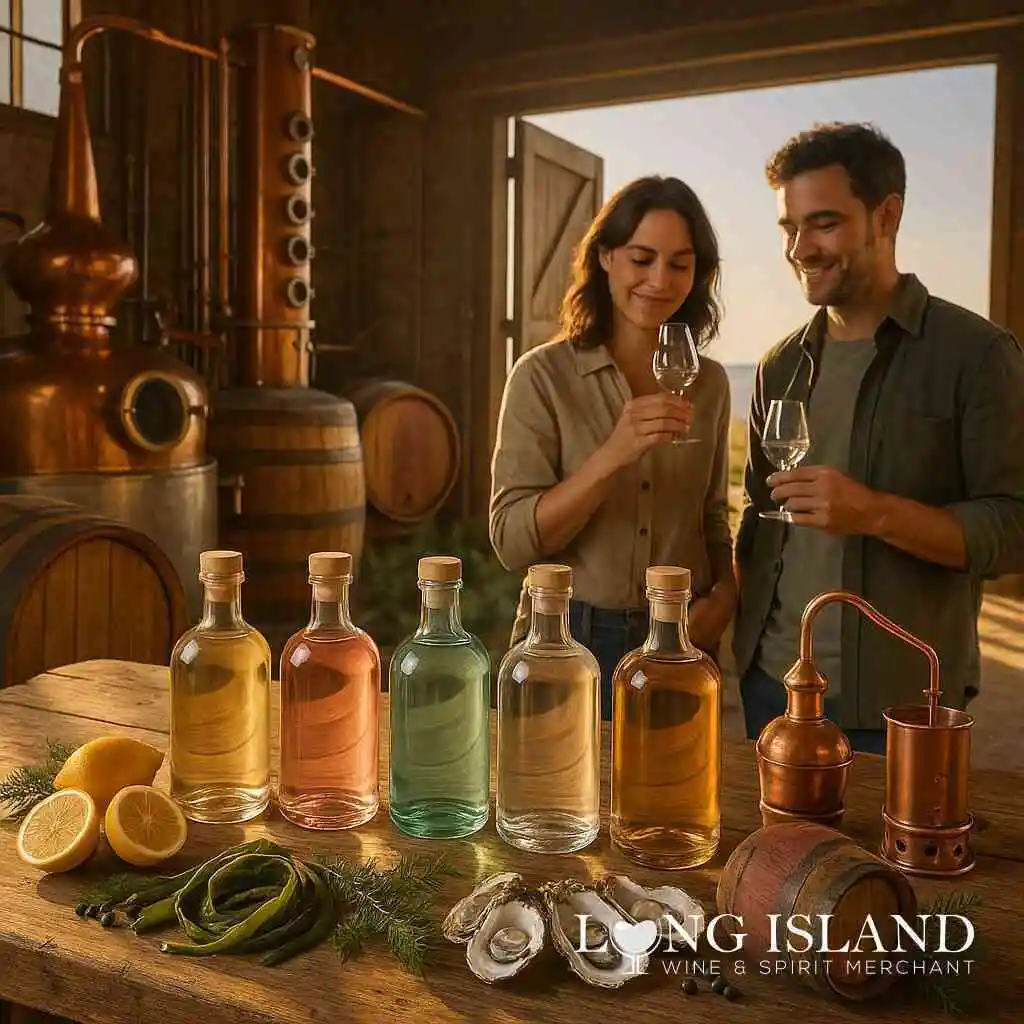
Final Sip Charting the Next Wave of Long Island Gin
Recap of top innovations and how to explore them with alcohol delivery near you
Long Island’s gin scene now balances heritage and daring science, merging barrel-aged depth, wine-kissed nuance, maritime umami, vacuum-bright freshness, and hyper-local terroir. Each innovation broadens cocktail horizons while honoring sustainable practices that protect the coast and its farms. Modern shoppers can sample every style without leaving the couch, thanks to seamless alcohol delivery that spans the island and beyond. Same-day drop-offs keep tasting flights spontaneous, while insulated packaging safeguards fragile botanicals from temperature swings. To see how distribution keeps pace with creativity, review the future of local alcohol delivery 2025 insights and discover logistical upgrades powering this flavor revolution.
Ordering remains intuitive. Filter by barrel influence, kelp infusion, or vacuum distillation to assemble a personalized discovery case. Real-time inventory updates prevent disappointment by flagging limited releases before they sell out. Customers may add engraving or gift-box options during checkout, elevating a simple shipment into a memorable occasion. This frictionless ecosystem ensures that curiosity converts into confident exploration, inspiring more households to host educational tasting nights.
Leveraging the wine taste quiz to match gin styles to your palate
Many enthusiasts still hesitate when confronted with rows of experimental gin bottles. The Wine Taste Quiz removes that uncertainty by decoding individual preferences through quick, sensory-based questions. Results classify palates into flavor clusters-citrus seeker, oak explorer, or umami adventurer-then recommend matching gin innovations. Because the algorithm references verified tasting data, suggestions feel personal rather than generic, increasing satisfaction with every order. Users can revisit the quiz quarterly as their tastes evolve, ensuring guidance remains current.
Quiz results also integrate with custom case builders, automatically populating carts with spirits aligned to the respondent’s profile. This synergy streamlines decision making while exposing drinkers to expressions they might overlook in a crowded online liquor store. Educational pop-ups explain why certain botanicals resonate with particular taste receptors, turning checkout into a mini masterclass. Over time, shoppers gain vocabulary to articulate preferences, which further refines future recommendations. The cycle creates a virtuous loop of discovery and delight.
Invitation to join the craft gin cocktail culture through custom alcohol cases
Long Island’s craft gin community thrives on shared experiences, and custom alcohol cases act as boarding passes into that culture. Mixing a barrel-matured gin with a kelp-infused counterpart in one shipment encourages comparative tastings that spark lively debate. Recipe cards suggest low-ABV spritzes, martini upgrades, and oyster pairings, so hosts can showcase each bottle’s strengths without professional training. Social media challenges invite customers to post their most inventive serves, fostering camaraderie while amplifying local distillery stories. In this way, every delivery becomes both classroom and celebration.
Community extends offline as well. Subscribers receive early invitations to pop-up blending workshops held near beaches, farms, and even greenhouses, where experts guide guests through flavor layering. Those seeking brick-and-mortar browsing can easily find a Long Island liquor store near you to complement their online stash with spontaneous discoveries. Whether ordering from the couch or chatting with in-store sommeliers, enthusiasts tap into a network united by curiosity and coastal pride. Embrace the movement, uncork innovation, and let Long Island gin redefine what sits at the center of your next toast.
Frequently Asked Questions
Question: How can I explore all five Long Island gin breakthroughs-barrel-aged coastal gin, wine-cask finished gin, sea kelp botanical gin, cold vacuum distilled gin, and hyper-local farm-to-glass gin-through Order Alcohol Online?
Answer: Our online liquor store groups every cutting-edge style in a single Gin Innovations 2025 collection. Simply choose the Build Your Custom Tasting Case option and mix any five or more bottles. Each spirit arrives with detailed tasting notes, food-pairing cards, and sustainable packaging to keep botanicals fresh. We ship nationwide and offer same-day alcohol delivery on Long Island, so you can host a home gin tasting flight tonight or send a premium gin gift box across the country tomorrow.
Question: What makes your sea kelp and oyster shell infused maritime gin sustainable, and can I get it delivered the same day near me on Long Island?
Answer: Our distillery partners harvest kelp that actually cleans coastal waters and recycle local oyster shells to add natural minerality-no synthetic additives required. Bottles are made from lightweight recycled glass with algae-based inks, lowering carbon output. Place your order before 4 PM and our Commack fulfillment team will arrange same-day spirit delivery near Long Island so those briny, umami-rich flavors hit your glass while they are still ocean-fresh.
Question: I saw the blog What Are the Top 5 Gin Innovations for Long Island 2025; which of these gins is best for crystal-clear martinis, and can I add engraving at checkout?
Answer: The cold vacuum distilled fresh botanical gin is our top pick for martinis because sub-zero extraction keeps citrus oils bright and juniper laser-focused. During checkout, select Engraved Gin Bottles and type your message-our in-house laser will etch the glass before overnight shipping. The result is a bar-quality martini base and a keepsake bottle in one quick online order.
Question: Do you offer custom gin cases or subscription plans that feature rotating small-batch releases and experimental barrel finishes?
Answer: Yes. Join our Online Gin Subscription Service and receive quarterly shipments curated around emerging trends like rye-cask maturation or pink hibiscus infused gin and tonic kits. Subscribers can adjust bottle size, ABV range, and botanical focus through their dashboard, ensuring every delivery matches personal taste. Custom cases earn free shipping in all 50 states and early access to limited Long Island craft gin releases.
Question: How does the Wine Taste Quiz help me pick the right Long Island craft gin and tonic botanical kit?
Answer: The Wine Taste Quiz analyzes your flavor preferences-from citrus zest to oak spice-then cross-references them with our gin inventory and garnish packs. If you lean toward herbal freshness, the algorithm might pair you with wine-cask finished gin plus a pink hibiscus fizz mixer; oak lovers may see barrel-aged coastal gin matched with smoked rosemary tonic. Results load directly into your cart, making gin terroir exploration effortless even for beginners.


