Exploring the Evolution of Rosé Wine on Long Island
January 1, 2026
Blush Renaissance on the East End
Why North Fork pink wine terroir captivates new palates
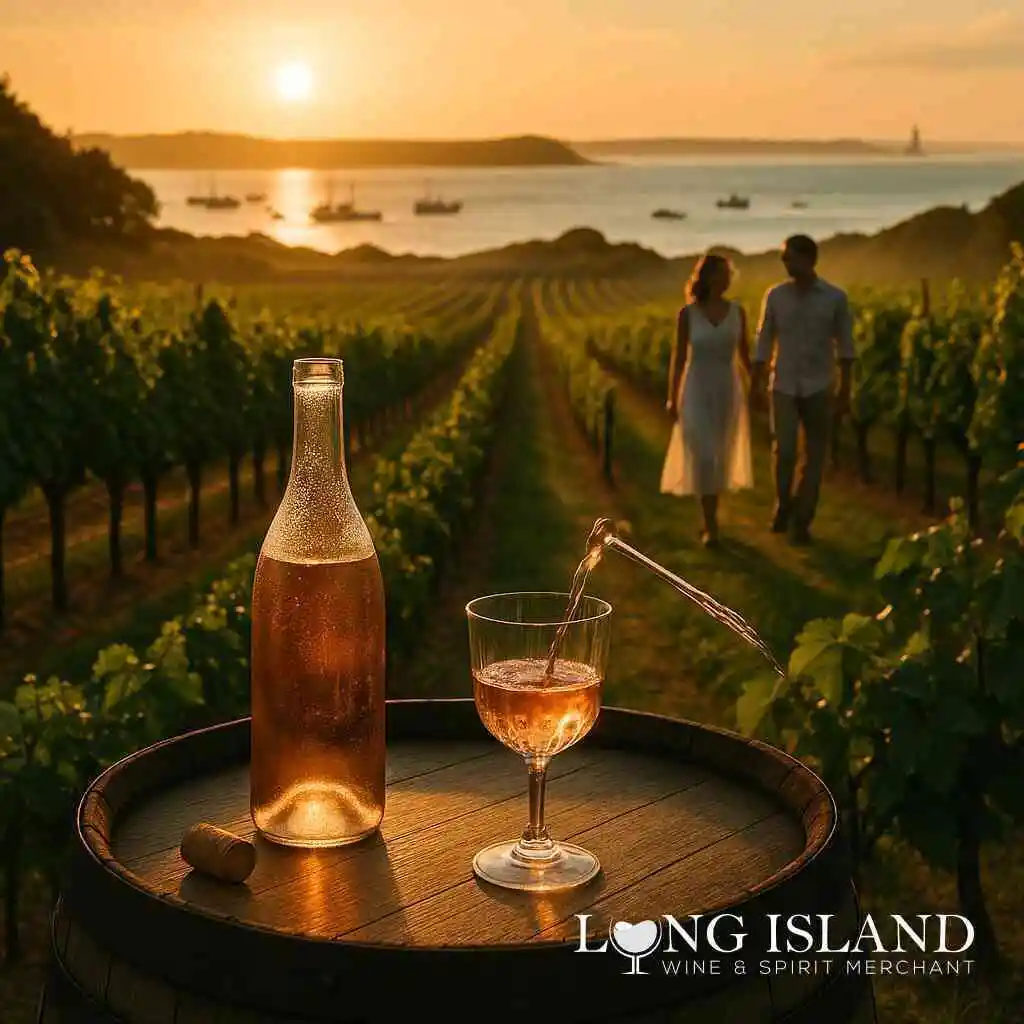
Rows of cabernet franc and merlot vines stretch toward Peconic Bay, soaking up reflected sunshine that intensifies fruit character. Gravelly loam drains quickly, forcing roots deep and imparting savory minerality ideal for dry, textural rosé styles. Cool breezes temper daytime heat, so grapes retain the crispness newcomers expect from North Fork pink wine terroir. Winemakers consistently mention floral lift, watermelon notes, and a gentle saline snap that keeps glasses refreshing. These qualities resonate with adventurous drinkers exploring lighter-bodied options after years of bold cabernets.
Curiosity turns into loyalty when tasters realize how dramatically site drives flavor nuance across short distances on the East End. A single mile toward the sound can mean later bud break, thicker skins, and consequently a deeper blush hue. Vineyards closer to the bay deliver softer color yet brighter citrus tones that captivate new palates. Detailed storytelling in the tasting room helps visitors connect soil composition to sensory perception. Many then continue their education through the Long Island Wine & Spirit Merchant hub where vineyard maps, vintage notes, and bottle picks extend the classroom online.
Hamptons rosé revolution meets the rise of order alcohol online
Across the Peconic, the Hamptons rosé revolution adds a glamorous dimension, merging refined hospitality with coastal relaxation. Chic beach clubs pour pale salmon glasses beside striped umbrellas, normalizing quality pink wine as an all-day beverage. Because vacationers post every sip on social media, these snapshots reinforce the idea that summer never ends when a chilled bottle waits nearby. Producers capitalize by releasing limited-edition magnums with artful labels designed for maximal photo appeal. Each beautifully packaged bottle tells followers that supporting local growers is equally stylish and sustainable.
Back home, fans recreate that seaside energy by choosing an online liquor store instead of driving to crowded retail aisles. Seamless checkout, transparent shipping updates, and the ability to order wine online from a mobile phone remove friction. Savvy shoppers notice they can Shop Long Island rosé online in tailored bundles that mirror winery tasting flights. Add-on options like custom cases, bottle engraving, or chilled pack delivery transform a simple purchase into a curated experience. This synergy between beachside memories and e-commerce convenience fuels ongoing demand for Hamptons labels nationwide.
Farm to glass rosé experience shaping local identity
Every bottle begins with vineyard workers monitoring clusters at dawn, gauging sugar rise and seed ripeness to determine ideal harvest timing. That agricultural vigilance continues at crush pads where gentle pressing minimizes color extraction, preserving the pale hue consumers crave. Spontaneous fermentations highlight native yeast populations, reinforcing the farm-to-glass rosé experience and celebrating microbial terroir. Some wineries even host blending workshops, allowing guests to adjust hue or acidity, fostering personal ties to the finished wine. These participatory moments strengthen regional pride and encourage responsible wine tourism.
Community spirit extends beyond cellar doors when eco-conscious travelers seek businesses championing circular economies. Restaurants source local seafood, herbs, and heirloom vegetables to complement sustainable rosé viticulture practices. Gift shops display wares from artisans who repurpose used oak staves into décor, highlighting closed-loop creativity. For friends planning outdoor feasts, Same-day alcohol delivery on Long Island ensures picnic baskets arrive stocked with temperature-controlled blush bottles alongside farm-fresh provisions. Collaborative networks like this knit growers, chefs, and merchants into a unified cultural fabric that defines the East End today.
From Bay Breezes to Barrel Rooms
Coastal maritime rosé climate and its mineral imprint
Long Island’s narrow shape lets Atlantic and Sound breezes surround every vineyard, cooling vines during summer peaks. Constant airflow lowers mildew pressure, allowing growers to retain leafy canopies that shade delicate fruit. Salt-tinged mist settles overnight, leaving trace minerals that later appear as subtle salinity in the glass. Gravelly loam and sandy subsoils drain quickly, so roots dig deep and pull flinty notes that sharpen finish. Consequently, tasters praise how coastal maritime rosé climate locks freshness while layering distinctive shoreline complexity.
Travelers often compare North Fork pink wine terroir to European islands, yet the vibrancy feels unmistakably local. Dawn fog lifts slowly, prolonging ripening and amplifying strawberry purity without pushing sugars skyward. That balance creates oyster-friendly rosé acidity adored by beachside restaurants and backyard shuckers alike. Because visitors crave repeat pours at home, they now favor ordering alcohol online services instead of suitcase hauling. A chilled shipment arrives door-step ready, capturing breezy afternoons in every pour.
Sustainable rosé viticulture practices carving a greener future
Producers realize preserving the coastline starts among the rows, so cover crops thrive between vine trunks all year. Legumes fix nitrogen naturally, reducing synthetic fertilizer use and encouraging soil organisms that boost nutrient cycling. Swales redirect heavy rain toward ponds, preventing runoff that could disturb fragile wetlands. Solar panels on winery rooftops power gentle presses, shrinking carbon footprints while keeping cellars whisper-quiet. Each sustainable rosé viticulture practice strengthens ecological resilience without compromising quality.
Communication matters just as much as compost, therefore wineries publish annual impact reports during tasting room chats. Visitors learn why biodiverse hedgerows invite beneficial insects that outcompete grape moth larvae. They hear how lightweight glass reduces emissions during nationwide wine delivery. When drinkers understand these choices, they proudly recommend the region’s sustainable bottles through social feeds. Word-of-mouth momentum encourages neighboring farms to adopt similar green standards.
Organic vineyard rosé certification elevating credibility
The shift from “almost organic” to audited compliance required patience, paperwork, and relentless field scouting. Growers replaced conventional herbicides with under-vine cultivators that slice weeds without disturbing micro-roots. Neem oil sprays handle sporadic mildew flare-ups, while pheromone disruptors confuse pests before damage occurs. Third-party inspectors now verify every lot, giving buyers concrete proof that organic claims extend beyond marketing.
Retail partners highlight certification by offering curated shelves of Organic certified rosé options for mindful shoppers. Transparency fosters trust, especially when consumers browse an online liquor store instead of walking vineyard rows. They click detailed lab analyses, discovering sulfite levels or allergen disclosures within seconds. Because credibility travels quickly, certified estates secure placements in wellness-focused outlets from Brooklyn to Boise. Expanded reach then finances further soil regeneration, creating a virtuous cycle.
Rosé harvest timing insights for optimal blush intensity
East End winemakers rise before sunrise and taste berries daily as the version progresses. They press the moment skins surrender faint salmon hues yet acidity remains electric. A two-hour window can decide whether a cool climate merlot rosé shows pale coral or deeper sunset tones. Cabernet franc clusters demand special attention because thicker skins tint juice faster than expected. Precision picking therefore defines house style as much as barrel choice.
After harvest, gentle pneumatic presses separate free-run juice at low pressure, protecting fragile aromatics. Cold soaks lasting mere hours unlock watermelon and white cherry aromas without extracting harsh phenolics. Winemakers log tank temperatures obsessively, chasing that sweet spot where esters bloom and volatile acidity stays low. Finished wine moves quickly into chilled stainless or neutral barrels, preserving day-of-harvest vibrancy for direct-to-consumer shipping. Consequently, city residents experience field-fresh blush just days after cork pop.

Alchemy in Pale Hue
Cool climate merlot rosé and cabernet franc blush expressions
North Fork pink wine terroir rewards patient growers who embrace gentle sunshine and constant bay breezes. Cool nights lock acidity, so merlot berries stay vibrant while sugars inch upward slowly. Winemakers press early, allowing a whisper of color that mirrors Long Island sunset rosé sipping traditions. Cabernet franc contributes lifted aromatics-think crushed raspberry, lilac, and faint white pepper-that enliven every glass. Visitors taste the contrast and immediately appreciate how microclimate nuance shapes style.
Savvy drinkers want these differences at home, so they choose an online liquor store rather than gamble on generic shelves. Order alcohol online options list vineyard specifics, clone selections, and soil maps that clarify purchase decisions. Because shipping remains quick, bottle freshness rivals tasting-room pours. That convenience keeps local rosé flavor evolution thriving, even when consumers live far from sandy shoreline vines. Loyalty builds as each delivery reminds them of breezy afternoons between tall reeds.
Cold soak technique for rosé unlocking aromatics
Before fermentation, winemakers chill juice on skins to amplify fruit expression without pushing tannin. The cold soak lasts mere hours, yet its impact feels dramatic: watermelon, white cherry, and sea-spray minerality explode on the palate. Careful temperature monitoring protects delicate esters that define oyster-friendly rosé acidity. Producers then rack the clarified must, launching a slow, steady ferment that preserves brightness. Science and intuition blend seamlessly in the cellar.
Educational tastings explain every step, nurturing the farm-to-glass rosé experience visitors crave. Guests smell side-by-side samples and notice texture shifts created by just ten extra minutes of skin contact. They later order wine online, confident they understand the craft behind each label. Detailed production notes accompany shipments, turning living rooms into pop-up classrooms. This transparency elevates regional credibility and deepens consumer trust.
Barrel fermented rosé styles defying convention
Some East-End cellars rebel against stainless orthodoxy by fermenting blush juice in neutral oak. Barrels allow micro-oxygenation, softening edges and layering subtle vanilla over strawberry core. Contrary to expectation, acidity stays focused, creating gastronomic pairings from lobster rolls to aged manchego. Texture gains weight, encouraging slow contemplation rather than porch gulping. Critics once dismissed the concept; now they praise complexity.
Restaurants eager for conversation-starter bottles highlight these uncommon styles on seasonal lists. Patrons taste, then bookmark favorite producers for later delivery through order alcohol online platforms. Custom cases of alcohol let them mix barrel-fermented rosé with classic stainless versions, comparing evolution over dinner parties. That dynamic sampling keeps Long Island rosé vineyards at the forefront of national discourse. Innovation thrives because consumers reward risk-takers with repeat clicks.
Sparkling pét nat trend refreshing the pink spectrum
Nothing captures carefree beach energy like lightly fizzy pétillant-naturel rosé. Winemakers bottle juice before fermentation finishes, trapping native yeast and gentle bubbles under crown caps. The result feels raw, bracing, and delightfully unpredictable; each batch crackles with personality. Low intervention aligns with sustainable rosé viticulture practices, reinforcing regional eco values. Glasses brim with grapefruit zest, wild strawberry, and faint brioche.
Curious shoppers browse the Pét-nat and sparkling rosé range, discovering limited-release cans perfect for rooftop brunch. Social feeds then flood with foam-topped pours swirling against azure skies, fueling demand beyond local tasting rooms. Because pressure stays modest, pét nat travels safely in insulated packs for summer picnic rosé delivery. Hosts chill bottles in tidal pools, pop caps, and toast the Hamptons rosé revolution before sunset. Momentum shows no sign of fading.
Vegan friendly rosé clarification gaining momentum
Traditional fining agents often rely on animal proteins, yet modern consumers request plant-based alternatives without compromising clarity. Long Island producers answer by using pea protein, bentonite, or potato starch to settle haze-forming solids. The switch slashes allergen risk while aligning with broader pink wine sustainability initiatives. Finished wines shine brilliantly, proving ethical choices still deliver visual brilliance and precision flavors. Certifications on back labels reinforce accountability.
Online shoppers filter searches for vegan-friendly options when building custom alcohol cases. Transparent tagging simplifies selection, ensuring every guest at the table feels included. Influencers spotlight these wines during wellness retreats, praising mindful craftsmanship alongside coastal yoga sessions. As awareness grows, more cellars adopt cruelty-free protocols, cementing the region’s reputation for progressive practice. Ultimately, inclusive clarity broadens the audience for Long Island rosé tasting notes worldwide.
Sip Share and Ship
Long Island rosé tasting notes and oyster friendly acidity
Long Island rosé tasting notes consistently spotlight crushed strawberry, white peach, and a whisper of sea-spray salinity. That saline edge mirrors the brackish ponds hugging North Fork inlets, so shells and stems seem to speak a shared dialect. Oyster-friendly acidity cuts brine with razor precision, lifting every slurp of Montauk blondes or Peconic Kumamotos. Tasters also notice soft watermelon rind and a faint herbal snap from cabernet franc skins, anchoring the finish. Because freshness matters, wineries chill bottles immediately, preserving coastal character until corks finally pop at home.
Judging quality becomes easier once drinkers learn to decode hue, aroma, and mineral tension. Pale salmon often signals early harvest merlot, bringing citrus zip ideal for raw clams. Deeper sunset tones suggest longer skin time, pairing beautifully with grilled bluefish or lobster rolls slicked with tarragon butter. Winemakers publish sensory grids in their tasting rooms, teaching visitors to map flavor against soil type. The same grids appear on digital product pages, helping remote shoppers trust their purchase. Mastering nuance turns casual sippers into vocal ambassadors for oyster-friendly rosé acidity.
Rosé food pairing guide for sea to farm plates
Light appetizers set the stage, so begin with scallop crudo dotted by lime zest and serrano. A lean, stainless-fermented rosé wine amplifies sweet shellfish while washing away lingering oil. Next, move to crispy soft-shell crab with watermelon salsa; the wine’s strawberry core finds harmony in the fruit, yet carves through fried batter. Even sushi benefits-think spicy tuna wrapped in sesame; chilled blush cools heat without flattening umami. Each combination proves that texture, not weight, drives memorable pairing success.
Farm ingredients join the feast once twilight settles over vineyard rows. Charred asparagus drizzled with lemon verbena vinaigrette matches the rosé’s herbal lift, whereas heirloom tomato panzanella echoes juicy berry notes. Grilled halloumi adds subtle smoke that a barrel-kissed bottle happily mirrors. Dessert remains possible: fresh strawberries with basil and cracked pink peppercorn find balance when matched to off-dry sparkling wine. This sea-to-farm plate progression shows why a single chilled case can handle every course.
Long Island wine tourism trails and small batch rosé producers
Curiosity begins on winding two-lane roads flanked by cranberry bogs and weathered potato barns converted to sleek cellars. Travelers collect stamps from trail passports, earning exclusive barrel samples reserved for those who make the full circuit. Small-batch rosé producers greet guests by name, pouring lot-split experiments that never reach broader distribution. Conversations drift from clonal selection to marsh grass impact on nighttime temperatures, proving agriculture and artistry intertwine here.
Comfortable lounges overlook tidal creeks where egrets hunt at dusk, cementing the bond between glass and landscape. After tasting, visitors pedal rented bikes to neighboring orchards, gathering cider doughnuts before catching the sunset ferry. Trail maps recommend detours to lavender farms, cheese caves, and craft breweries, expanding beverage literacy beyond wine alone. Every stop emphasizes stewardship, encouraging tourists to respect dunes, refill canteens, and support wildlife initiatives. By journey’s end, even seasoned collectors admit fresh gratitude for small-batch visionaries shaping local identity.
Order Long Island rosé online with direct to consumer shipping
Not every enthusiast can drive east each weekend, so an online liquor store bridges distance by offering door-step freshness. Shoppers browse tasting notes, climate data, and winemaker videos before adding chilled bottles to carts. The platform groups single vineyards or seasonal samplers, turning selection into an educational journey. Those hosting summery reunions love the curated Cases of blush wine for gatherings because quantity and diversity arrive in one insulated box. Transparent shipping updates ensure anxiety never overshadows anticipation.
Direct-to-consumer logistics include temperature-controlled vans during warmer months and eco-friendly pulp shippers that cradle glass securely. Adult-signature compliance remains strict, protecting minors while upholding state regulations. Customer service agents answer live chat questions about vintage variation, cork versus screwcap, or storage advice. Loyalty points accumulate with every order, redeemable for wine taste quiz consultations or gift-box upgrades. In minutes, households nationwide convert digital clicks into porch-side pours that taste like an East End weekend.
Summer picnic rosé delivery and Instagram worthy bottles
Picnic season calls for screw-cap convenience, lightweight glass, and labels bold enough to catch smartphone lenses. Producers commission watercolor depictions of dune grass, bay scallops, and beach umbrellas, ensuring bottles double as décor. Influencers arrange spreads of peach burrata, cured meats, and pastel macarons around chilled magnums, tagging hashtags that trend within hours. Wine delivery services time arrivals with weather forecasts, so boxes avoid scorching patios, keeping blush cool and camera-ready.
Color also matters online; translucent glass reveals gradations from fairy-shell pink to coral sunset. Limited-edition cans slip easily into wicker totes, their playful graphics matching rose-gold flatware and vintage picnic blankets. When sun dips, hosts pop pét-nat closures, releasing gentle foam captured in slow-motion reels. Each shared clip extends brand reach organically, making real beaches and digital feeds blend seamlessly. Thus, summer picnic rosé delivery anchors both experiential and virtual storytelling.
Shop rosé gift box online at Long Island Wine and Spirit Merchant
Gift giving becomes effortless when shoppers customize satin-lined boxes that cradle two or three expressive vintages. Engraved plaques add heartfelt messages, while wax seals echo maritime heritage with compass motifs. Customers select pink shred, pearl tissue, or hemp twine depending on recipient style; every component remains recyclable, underscoring sustainable intentions. Shipping teams insert ice packs during warm spells, ensuring the reveal feels cellar-cool rather than road-weary.
Corporate buyers appreciate tiered pricing, allowing them to reward clients without sacrificing boutique craftsmanship. Wedding planners order alcohol online early, reserving limited rosé magnums etched with monogrammed crests for head tables. The shop offers pairing cards featuring local cheeses, charcuterie, and desserts, assisting hosts who want turnkey elegance. Because personalization extends to digital space, senders can embed video toasts accessible through QR codes inside lids. Thoughtful details transform a parcel into an experience, proving that genuine connection travels beautifully across zip codes.
Sunset in a Glass
Pink wine sustainability initiatives driving change
Long Island rosé vineyards now treat climate stewardship as a daily mission, not a marketing footnote. Growers install drip irrigation that delivers every drop precisely, saving aquifer reserves while protecting berry integrity. Solar panels hum atop tasting rooms, powering gentle pumps that respect delicate pink wine aromatics. Consumers notice these investments and ask which bottles carry the smallest carbon footprints. To answer, wineries publish impact scores on labels and point visitors to their Comprehensive wine services on Long Island page, where sustainability milestones appear beside tasting reservations.
Packaging also evolves, proving that eco-minded choices can look elegant. Lightweight glass lowers shipping emissions yet still showcases salmon hues against coastal light. Recycled pulp shippers replace foam, and water-based inks adorn labels with pastel dune sketches. Even closures matter; many estates switch to recyclable aluminum or certified cork harvested from responsibly managed forests. Together, these pink wine sustainability initiatives turn every sip into an act of shoreline preservation.
Rosé flavor evolution decade in retrospective
A decade ago, blunt berry sweetness dominated local blush shelves; today, structure, minerality, and oyster-friendly acidity define regional style. Winemakers credit precision harvest windows, native yeast trials, and lower sulfur regimes for heightened nuance. Readers tracking these shifts dive into the Industry insights at Order Alcohol Online blog where cellar interviews and comparative tastings chart flavor arcs vintage by vintage. Data shows alcohol levels drifting downward while aromatic complexity climbs, aligning with consumer demand for session-worthy pours.
Chemistry advances also play a role. Cold soak timing now targets specific ester profiles, while inert gas pressing shields fragile florals from oxidation. Oenologists study nutrient ratios, applying lessons from broader Fermentation science in winemaking to maintain vibrant color without aggressive fining. The result is a balanced spectrum that ranges from barely blushed merlot to richly textured cabernet franc rosé, each reflecting a confident, mature region.
Wine club exclusive rosé releases fueling anticipation
Scarce micro-lots bottled for loyal members create buzz long before shipping trucks roll west. Subscribers receive early tasting notes describing sea-spray salinity or wild strawberry lift, sparking debates across social feeds. Selection begins with the interactive Find your rosé palate quiz that guides members toward stainless, barrel, or pét-nat preferences. Customized suggestions build trust, so fans happily commit to quarterly deliveries they know will thrill their taste buds.
Beyond bottles, clubs offer vineyard campfire nights, blending sessions, and virtual chats with growers who reveal experimental clones still on trial rows. When allocation emails drop, countdown timers tick, and cases sell out in minutes. Gift-givers eager to share the excitement can upgrade orders with a Custom rosé gift box near the Hamptons that arrives ribbon-tied and story-rich. Anticipation turns into advocacy, expanding the reach of small-batch artistry.
Long Island sunset rosé sipping as a lifestyle ritual
Evening skies blush coral, gulls wheel overhead, and chilled glasses mirror the horizon’s fading light. Locals claim the ritual resets the mind; visitors find it addictive. Porch railings become impromptu tasting bars where neighbors compare notes on bay breezes, soil types, and latest barrel experiments. Many order wine online earlier in the day, ensuring a curated selection sits ready when the first cricket chirps. Travelers who want the full backstory read the About Long Island Wine & Spirit Merchant story while their shipment chills, deepening emotional ties to each pour.
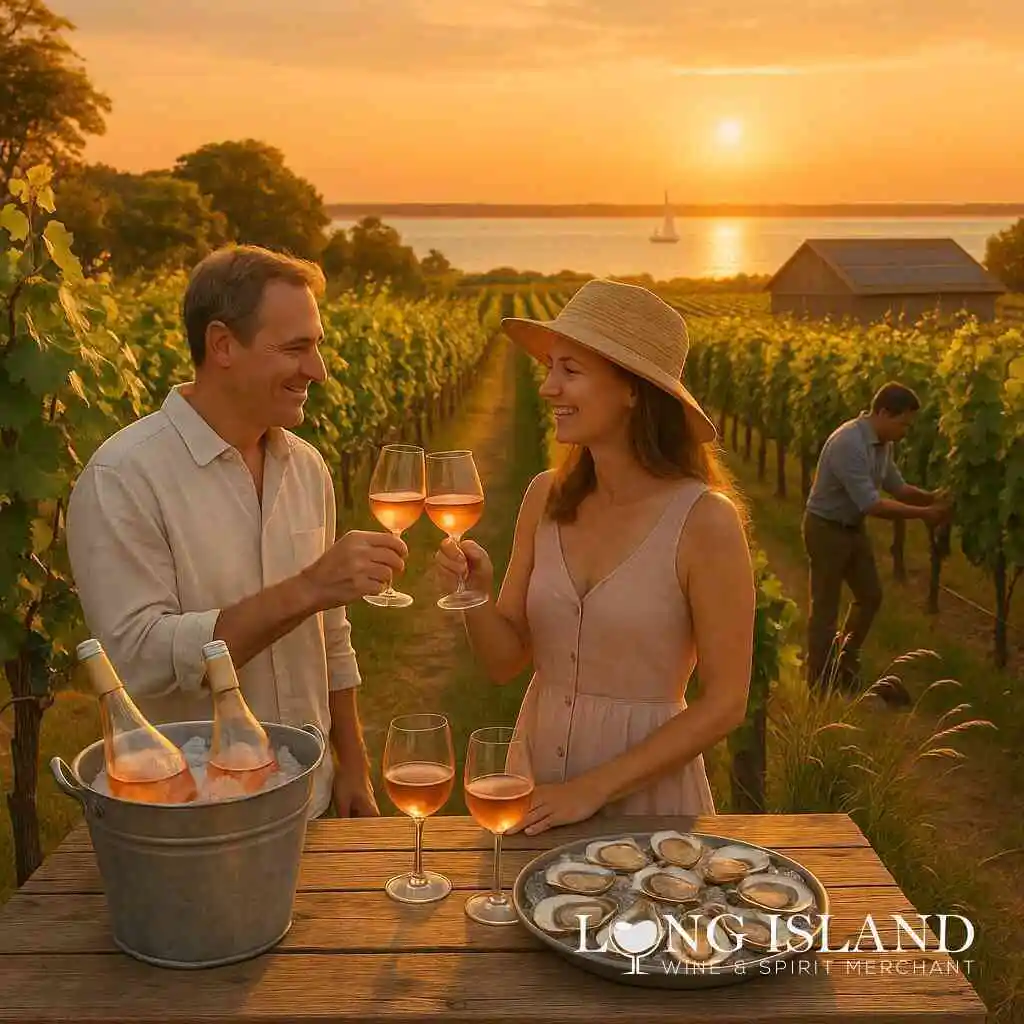
Rosé’s inclusive spirit also fuels communal gatherings from beach bonfires to rooftop film nights. Hosts source fresh oysters, charred corn, and citrus-dressed salads, confident a single case of vibrant pink will bridge every palate. They schedule delivery through the Shop alcohol nationwide online portal, selecting bottle sizes that fit picnic totes or elegant ice buckets. As the final rim of sun slips below water, clinking glasses celebrate not just wine but the shared coastal rhythm that inspires it.
Frequently Asked Questions
Question: How does Order Alcohol Online keep the fresh character of Long Island rosé vineyards intact when offering direct-to-consumer rosé shipping?
Answer: We pull bottles straight from the temperature-controlled cellar at our Commack, NY headquarters and move them into insulated pulp shippers fitted with ice packs during warm months. Because our online liquor store partners with climate-regulated carriers, your cool-climate merlot rosé, cabernet franc blush wine, or pét-nat sparkler travels at optimal 55-60 °F from Long Island to any of the 50 states. Real-time tracking keeps you informed, and adult-signature protocols guarantee safe hand-off. The result is oyster-friendly rosé acidity and beach-fresh aromatics that taste exactly like they did in the tasting room.
Question: What sets North Fork pink wine terroir and Hamptons rosé revolution bottles apart in the Long Island Wine & Spirit Merchant rosé selection?
Answer: Our buyers live on the East End, so we taste barrel samples long before public release. North Fork rosés showcase gravelly-loam minerality, watermelon rind, and a gentle saline snap, while Hamptons labels lean toward ultra-pale salmon hues and floral lift-perfect for Instagram-worthy rosé bottles beside striped umbrellas. We list soil maps, harvest timing insights, and winemaker interviews on every product page, making it easy to compare sustainable rosé viticulture practices side by side. Whether you crave stainless steel crunch or barrel-fermented rosé styles, the diversity of microclimates appears in our curated lineup.
Question: Can you give me a quick rosé food pairing guide for oyster-friendly rosé acidity and summer picnic rosé delivery?
Answer: Absolutely. For raw Montauk oysters or scallop crudo, pick a stainless-fermented cabernet franc blush with razor-sharp citrus. Soft-shell crab or watermelon salsa sings with a strawberry-driven merlot rosé. Planning a park spread? Our summer picnic rosé delivery bundles include screw-cap cans, pétillant-naturel bottles, and reusable ice sleeves so you can toast with fizzy pét-nat under the sun. We even tuck recipe cards-think grilled halloumi, heirloom tomato panzanella, and berry-basil shortcake-into every shipment.
Question: How did reading Exploring the Evolution of Rosé Wine on Long Island inspire the custom cases and Wine Taste Quiz I see on your site?
Answer: That blog highlighted how rosé flavor evolution decade trends shifted from sweet to mineral-driven and how consumers now seek vegan-friendly rosé clarification, organic vineyard rosé certification, and pink wine sustainability initiatives. We built our Wine Taste Quiz to capture those preferences-barrel ferment vs. stainless, pét-nat fizz vs. still, sustainable farming vs. classic production-then auto-populate a custom alcohol case tailored to your palate. It’s the fastest way to explore small-batch rosé producers without leaving home.
Question: Do you carry bottles that are organic, vegan-friendly, and sustainably packaged, and how can I find them when I order wine online?
Answer: Yes. Look for the green leaf and V icons on our product thumbnails-those denote organic vineyard rosé certification and vegan-friendly fining. We also tag lightweight glass, recyclable cork, and carbon-neutral logistics under pink wine sustainability initiatives. Use the filter bar in our online liquor store to sort by certification, farming practice, closure type, or even barrel-fermented vs. cool-soak technique for rosé. With one click, you can build an eco-conscious cart spanning Long Island rosé tasting notes, fortified wine, or even bourbon for variety.


